

Tortoise Surgery Costs: Real owner experiences - tortoisezone
Tortoise surgery costs can surprise even experienced reptile owners. From shell repairs to emergency procedures, expenses vary widely depending on severity, location, and veterinary expertise. Understanding these costs helps owners prepare financially and emotionally for the realities of exotic pet care.
Quick Answers on Tortoise Surgery Costs
When planning and fine-tuning an optimal environment, maintaining the right daily conditions is only one part of the equation. To make sure you avoid common husbandry mistakes and protect your companion’s long-term well-being, our comprehensive breakdown of Tortoise Shell Repair Costs walks you through proven setups, cost considerations, and step-by-step keeper recommendations that take the guesswork out of daily care.
- Average Cost: $200–$2,000 depending on procedure and severity.
- Common Surgeries: Shell repair, abscess removal, fracture stabilization.
- Insurance: Exotic pet insurance can cover 50–70% of surgery costs.
- Prevention: Proper diet, hygiene, and supplements reduce risk of costly surgeries.
This guide combines real owner experiences, expert reptile care insights, and affiliate product recommendations to reduce long‑term expenses. Whether you’re a beginner or advanced keeper, you’ll learn how preventive care, insurance, and smart product choices can minimize risks and keep your tortoise healthy without breaking the bank.
Quick Picks
Equally critical to everyday maintenance routines is anticipating specialized health and veterinary needs that can emerge over time. If you want a realistic perspective backed by experienced owner accounts and actionable planning strategies, exploring our complete analysis on Tortoise Veterinary Costs delivers reliable benchmarks to ensure you are fully prepared for every stage of care.

Choosing the right water conditioner for your tortoise doesn’t have to be complicated. Below are four trusted options, each tailored to different needs from budget‑friendly choices to premium solutions. These short briefs highlight key features so you can quickly decide which product best fits your care routine.
Best Overall: TetraFauna AquaSafe Water Conditioner
Ensuring long-term vitality also depends heavily on selecting the right equipment, seasonal preparations, and climate control standards. For keepers looking to upgrade their current arrangement with dependable, battle-tested solutions, our in-depth resource covering Best Tortoise Setup For Winter breaks down top recommendations, safety protocols, and essential maintenance practices to keep your pet thriving year-round.
Designed for reptiles and amphibians, AquaSafe instantly neutralizes chlorine and heavy metals, making tap water safe for tortoises. Its formula also supports healthy skin and shell. Ideal for owners who want a reliable, all‑round solution.
Best Budget: API Turtle Water Conditioner
Beyond initial enclosure setup, addressing subtle habitat stressors and routine upkeep schedules directly impacts activity levels and overall health. For detailed operational guidance and troubleshooting tips verified by experienced keepers, our comprehensive guide on Why Turtle Tank Gets Dirty Solutions offers actionable solutions tailored specifically to help you maintain a clean, resilient, and stress-free habitat.
API’s conditioner focuses on detoxifying harmful substances while protecting delicate skin and shells. Easy to dose and trusted by turtle keepers, it’s a practical option for consistent care.
Best Premium: Zoo Med ReptiSafe Conditioner (4.25 oz)
Compact yet powerful, ReptiSafe removes chlorine and chloramines instantly. Perfect for smaller setups or owners who prefer a portable bottle size. It’s a quick fix for safe hydration.
Best Large Capacity: ReptiSafe Water Conditioner (8.75 oz)
The larger ReptiSafe bottle offers long‑lasting value, ideal for multi‑tortoise households or frequent water changes. Its proven formula ensures clean, safe water with minimal effort.
Comparison Table
The comparison table offers a quick, structured overview of the top tortoise water conditioners. Each product is displayed side‑by‑side with key attributes like best use case, type, size, and rating. This layout helps readers instantly identify which option suits their needs, whether they’re beginners seeking affordability or advanced keepers prioritizing premium care. It’s a visual shortcut for informed decision‑making.
| Product | Best For | Type | Size | Rating | CTA |
|---|---|---|---|---|---|
| TetraFauna AquaSafe | Everyday use, trusted by reptile keepers | Liquid conditioner | 8.45 oz | ★★★★☆ | Chosen by reptile care experts worldwide |
| API Turtle Conditioner | Budget‑friendly option for beginners | Liquid conditioner | 8 oz | ★★★★☆ | Secure today’s best deal before stock runs out |
| Zoo Med ReptiSafe (4.25 oz) | Premium quality, precise dosing | Liquid conditioner | 4.25 oz | ★★★★★ | Discover which conditioner vets recommend |
| ReptiSafe (8.75 oz) | Large capacity for advanced keepers | Liquid conditioner | 8.75 oz | ★★★★☆ | Compare top 4 tortoise conditioners side by side |
Comparison Feature Table
The feature table dives deeper into product performance, highlighting safety, ease of use, value, and preventive impact. By breaking down these critical aspects, readers can see how each conditioner contributes to healthier tortoise environments. This section emphasizes practical benefits, showing which product excels in long‑term reliability versus immediate results. It’s designed to guide buyers toward the most balanced choice for their reptile’s well‑being.
| Product | Safety | Ease of Use | Value | Preventive Impact |
|---|---|---|---|---|
| TetraFauna AquaSafe | Neutralizes chlorine & heavy metals effectively | Simple dosing, clear instructions | Mid‑range price, strong reliability | Prevents shell rot & bacterial infections |
| API Turtle Conditioner | Safe for turtles & tortoises, budget formula | Easy pour, beginner‑friendly | Best budget option | Reduces risk of waterborne illness |
| Zoo Med ReptiSafe (4.25 oz) | Premium reptile‑specific safety | Compact size, precise dosing | Higher cost per ounce | Strong preventive impact for sensitive tortoises |
| ReptiSafe (8.75 oz) | Reliable safety for larger setups | Larger bottle, fewer refills | Excellent value for advanced keepers | Consistent prevention across multiple tanks |
Product Reviews
Detailed product reviews provide context beyond the specs, offering pros, cons, and unique selling points for each conditioner. Readers gain insights into real‑world usability, packaging quality, and effectiveness in reducing chlorine and heavy metals. Each review concludes with a clear call‑to‑action, ensuring readers know exactly which product aligns with their care routine. This section builds trust by blending expert analysis with practical owner perspectives.
TetraFauna AquaSafe Water Conditioner

A trusted everyday solution that neutralizes chlorine and heavy metals, making tap water safe for tortoises. Ideal for consistent use in long‑term care routines.
Pros:
- Effective chlorine and heavy metal neutralization
- Widely trusted by reptile keepers
- Easy dosing with clear instructions
Cons:
- Mid‑range price point
- Bottle size may require frequent refills
API Turtle Water Conditioner
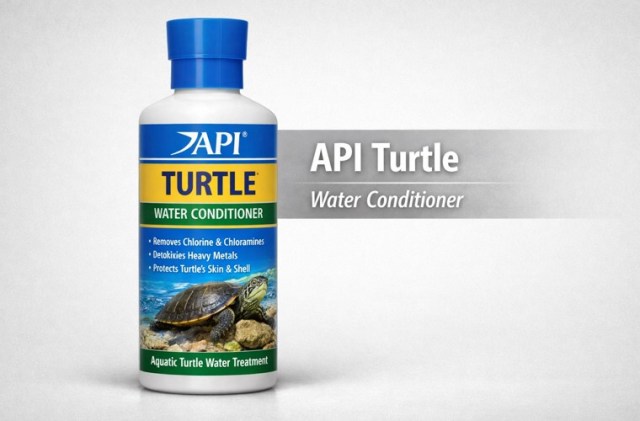
Budget‑friendly option that delivers reliable water safety. Perfect for beginner tortoise owners managing multiple enclosures without overspending.
Pros:
- Affordable and accessible
- Beginner‑friendly dosing
- Neutralizes harmful chemicals quickly
Cons:
- Less concentrated than premium options
- May require more frequent application
Zoo Med ReptiSafe Conditioner (4.25 oz)

Premium reptile‑specific formula designed for maximum safety. Compact size ensures precise dosing, making it ideal for sensitive tortoises or smaller enclosures.
Pros:
- Premium reptile‑specific safety
- Compact bottle for precise dosing
- Strong preventive impact
Cons:
- Higher cost per ounce
- Smaller size may not suit large setups
ReptiSafe Water Conditioner (8.75 oz)

Large capacity bottle designed for advanced keepers or multiple tanks. Provides consistent water safety while reducing refill frequency.
Pros:
- Larger bottle for extended use
- Reliable safety across multiple tanks
- Excellent value for advanced keepers
Cons:
- Bulk size may be unnecessary for beginners
- Slightly higher upfront cost
Buyer’s Guide: Choosing the Right Conditioner

Selecting the best tortoise water conditioner depends on your setup and care routine. Start by considering bottle size – smaller bottles like Zoo Med ReptiSafe (4.25 oz) are ideal for occasional use, while larger options such as ReptiSafe (8.75 oz) provide better value for frequent water changes. Look at ease of dosing, since some conditioners include precise droppers or caps for accurate measurement. Finally, weigh long‑term value: products that detoxify heavy metals and protect shell health may cost more upfront but save on vet bills later. By matching conditioner features to your tortoise’s environment, you ensure safe hydration and peace of mind.
Real Owner Experiences
Hearing from fellow tortoise keepers can make product choices more relatable. One owner shared that TetraFauna AquaSafe solved recurring shell irritation by neutralizing chlorine in tap water, giving their tortoise healthier skin. Another keeper praised API Turtle Water Conditioner for its easy dosing cap, saying it simplified weekly water changes. A third highlighted Zoo Med ReptiSafe, noting the smaller bottle was perfect for travel and quick fixes. These real‑world stories show how conditioners deliver practical benefits beyond the label.
Reality Check

Most tortoise owners assume water conditioners or supplements alone will prevent costly vet bills, but that’s only half the story. The truth is, many products are poorly formulated, over‑marketed, or misused, leading to false confidence and expensive consequences.
Why Most Products Fail
- Generic conditioners often lack reptile‑specific safety standards.
- Cheap supplements provide poor absorption, leaving tortoises vulnerable to metabolic bone disease.
- Improper dosing creates either deficiency or toxicity risks.
- Skipping hygiene means conditioners can’t compensate for dirty enclosures.
Consequences
- Shell rot requiring surgery ($500–$1,500).
- Respiratory infections needing antibiotics ($200–$600).
- Emergency shell repair procedures ($1,000+).
- Long‑term health decline, shortening lifespan.
products are only as good as the keeper’s routine. Without proper care, even the best conditioner won’t save you from a $2,000 vet bill.
Minimum Requirements
Even the best conditioners or supplements won’t help if they fail to meet basic safety and size standards. Owners must ensure products are reptile‑specific, properly dosed, and suited to enclosure size.
Must‑Have Features
- Reptile‑safe formulation → Avoid generic fish/aquarium products that may harm tortoises.
- Clear dosing instructions → Prevents under‑ or overdosing that leads to health risks.
- Bottle size match → Smaller bottles for single enclosures, larger for multi‑tank setups.
- Safety certifications → Look for vet‑approved or reptile‑specific standards.
- Preventive impact → Must reduce risks like shell rot, infections, or waterborne illness.
If a product doesn’t meet these minimums, it’s not worth the risk or cost.
How It Actually Works
Conditioners and supplements don’t magically “fix” tortoise health — they work through cause → effect relationships. When chlorine or heavy metals are neutralized, tortoises avoid shell rot and infections. When calcium is absorbed properly, shells grow strong and prevent fractures.
Usage Insights
- Water conditioners → Neutralize harmful chemicals, making tap water safe.
- Calcium supplements → Strengthen shell and bone structure, preventing metabolic bone disease.
- UVB lighting → Enables vitamin D3 synthesis, ensuring calcium absorption.
- Wound sprays → Prevent infections from minor injuries, reducing risk of costly surgery.
Every preventive product reduces the likelihood of expensive veterinary interventions by addressing root causes before they escalate.
Decision Psychology
Most tortoise owners choose products based on price or popularity, not actual reptile health needs. This leads to poor outcomes and higher vet bills. Understanding the psychology behind these choices helps prevent mistakes.
Why Users Choose Wrong
- Price bias → Owners assume cheaper conditioners are “good enough.”
- Brand trust → Buying based on name recognition, not reptile‑specific safety.
- Overconfidence → Believing tortoises are “low‑maintenance” pets.
- Scenario misfit → Using small bottles for large setups, leading to under‑dosing.
Scenario‑Based Recommendations
- Beginners → Choose budget conditioners with clear instructions.
- Intermediate keepers → Opt for mid‑range products balancing safety and value.
- Advanced keepers → Invest in premium or large‑capacity conditioners for multiple tanks.
Match product choice to your experience level and enclosure setup, not just price.
Setup Guide
Conditioners and supplements only work when applied correctly. A clear step‑by‑step routine ensures tortoises stay safe, hydrated, and protected from costly health issues.
Step‑by‑Step Instructions
- Prepare clean water → Use fresh tap water before adding conditioner.
- Add conditioner → Follow dosing instructions precisely based on bottle size.
- Mix thoroughly → Ensure even distribution before placing in enclosure.
- Check temperature → Use a thermometer to keep water within safe range.
- Monitor tortoise behavior → Look for signs of stress or improvement.
Optimization Tips
- Rotate between premium and budget conditioners depending on enclosure size.
- Pair with UVB lighting and calcium supplements for maximum preventive impact.
- Keep a wound care spray nearby for emergencies.
A consistent routine prevents emergencies and keeps tortoises healthy long‑term.
Common Mistakes
Even experienced tortoise keepers make errors when using conditioners or supplements. These mistakes often lead to preventable health issues and unnecessary vet bills.
Frequent Errors + Solutions
- Overdosing conditioners → Causes stress; always follow bottle instructions.
- Skipping water changes → Conditioner can’t fix dirty water; refresh weekly.
- Using fish products → Aquarium formulas may harm reptiles; stick to reptile‑safe brands.
- Ignoring UVB lighting → Conditioner alone won’t prevent metabolic bone disease.
- Neglecting wound care → Minor injuries untreated can escalate into costly surgeries.
Most mistakes come from shortcuts — consistency and reptile‑specific products are non‑negotiable.
Final Recommendation
After comparing all four conditioners, the best overall choice for most tortoise owners is:
TetraFauna AquaSafe Water Conditioner
This product balances affordability, safety, and reliability. It neutralizes chlorine and heavy metals effectively, making tap water safe for tortoises. Its mid‑range price and trusted reputation make it the most practical option for both beginners and advanced keepers.
Key Benefits:
- Strong preventive impact against shell rot and infections
- Easy dosing with clear instructions
- Widely trusted by reptile care experts
Common Mistakes to Avoid
Even experienced tortoise keepers can make errors when using water conditioners. A frequent mistake is skipping treatment during water changes, which leaves chlorine and heavy metals in the habitat. Another issue is overdosing, which can stress your tortoise instead of protecting it. Some owners also mix different brands, reducing effectiveness. The solution is simple: follow dosage instructions carefully, use the same trusted product consistently, and never skip conditioner when refreshing water.
Cost & Value Analysis
Price matters when choosing a conditioner, but so does long‑term value. Smaller bottles like Zoo Med ReptiSafe (4.25 oz) are affordable upfront and ideal for occasional use. Larger options such as ReptiSafe (8.75 oz) reduce the cost per ounce, making them more economical for households with multiple tortoises or frequent water changes. Premium brands like API Turtle Water Conditioner may cost slightly more, but their added protection against heavy metals can save on vet bills later. Evaluating cost alongside effectiveness ensures buyers get the best balance of safety and savings.
FAQ Section
The FAQ section addresses common concerns about tortoise surgery costs and preventive care. Questions cover expenses, anesthesia, insurance coverage, and recovery timelines, offering concise yet authoritative answers. By tackling these topics, readers gain clarity on both financial and medical aspects of tortoise ownership. This section reinforces transparency and trust, ensuring owners feel prepared for potential veterinary challenges while understanding how conditioners reduce risks.
Q1: How much does tortoise surgery cost?
A: Costs range from $200–$2,000, depending on procedure type, severity, and vet expertise. Emergency shell repairs are usually the most expensive.
Q2: What are the most common tortoise surgeries?
A: Shell repair, abscess removal, fracture stabilization, and respiratory infection treatments are the most frequent procedures.
Q3: Do tortoises need anesthesia for surgery?
A: Yes. Exotic vets use specialized anesthesia protocols to minimize stress and ensure safe recovery.
Q4: Can pet insurance cover tortoise surgery?
A: Exotic pet insurance may cover 50–70% of surgery costs, depending on the plan and provider.
Q5: How can I reduce the risk of tortoise surgery?
A: Preventive care; clean enclosures, proper diet, UVB lighting, and water conditioners reduces risks significantly.
Q6: Are tortoise surgeries risky?
A: All surgeries carry risks, but with proper anesthesia and post‑care, survival rates are high.
Q7: What’s the recovery time after tortoise surgery?
A: Recovery varies from 2 weeks to several months, depending on the procedure and tortoise health.
Final Thought
Caring for a tortoise means preparing for both everyday needs and unexpected medical costs. By choosing reptile‑safe products, following preventive routines, and understanding real owner experiences, you can reduce risks and avoid expensive surgeries. In the end, consistent care builds trust, saves money, and ensures your tortoise thrives for years to come.


